
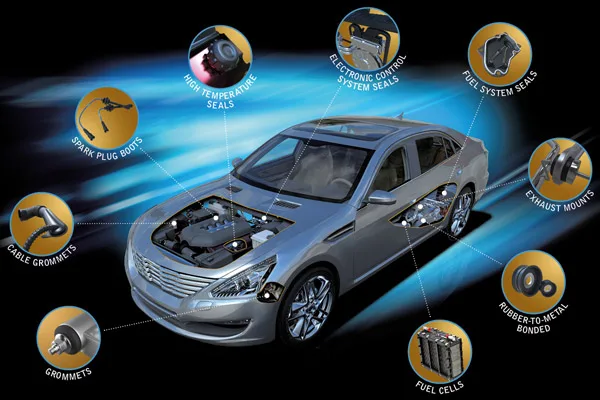
In the automotive industry, the demand for high-performance, durable, and reliable sealing solutions is ever-increasing. Gaskets play a critical role in ensuring the safety, comfort, and longevity of vehicles by preventing leaks, reducing vibrations, and protecting components from environmental factors. Among various materials used for gasket manufacturing, Liquid Silicone Rubber (LSR) has gained significant prominence due to its exceptional properties and versatile molding capabilities.
What is Liquid Silicone Rubber (LSR)?
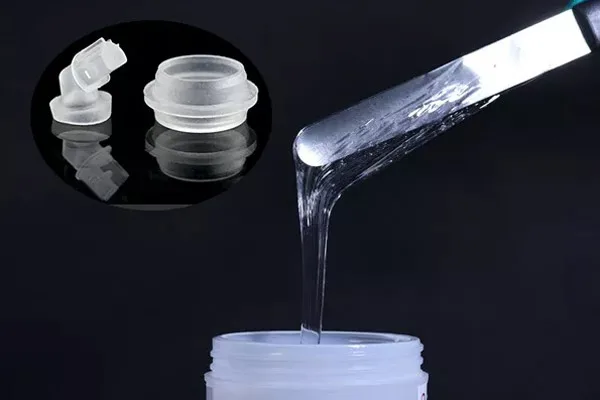
Liquid Silicone Rubber is a high-quality, heat-resistant, and chemically inert elastomer that is supplied in a liquid form. Its unique characteristics include excellent thermal stability, flexibility at low temperatures, high-temperature resistance, and superior weatherability. These attributes make LSR an ideal material for various automotive applications, especially for gaskets that require sealing under demanding conditions.
 LSR vs. Traditional Gasket Materials: A Comparative Perspective
To fully appreciate the value of LSR, it is important to understand how it compares to conventional gasket materials. Traditional elastomers such as Nitrile Butadiene Rubber (NBR) and Fluoroelastomers (FKM) have long been used in automotive sealing. However, LSR offers distinct advantages across several performance metrics. Unlike NBR, which has a limited operating temperature range (typically -40°C to 120°C), LSR maintains its properties from -55°C to 300°C, making it superior for under-hood applications. While FKM provides excellent chemical resistance, it is significantly more expensive and denser than LSR, resulting in higher parton weights and costs. In addition, the LSR exhibits superior compression set resistance, meaning that it better preserves its shape and sealing force over time under prolonged compression – a critical factor for gaskets that must maintain sealing over the lifetime of the vehicle. Its lower viscosity in liquid form also allows for finer wall molding and more intricate geometry than is feasible with solid rubber, enabling illumination and design optimization.
Advantages of Using LSR for Automotive Gaskets
- Temperature Resistance: LSR can withstand extreme temperatures ranging from as low as -55°C to as high as 300°C, ensuring reliable sealing in engine compartments, exhaust systems, and other high-temperature zones.
- Chemical and Weather Resistance: It exhibits excellent resistance to oils, fuels, ozone, UV radiation, and other environmental factors, leading to longer service life.
- Flexibility and Elasticity: LSR maintains its flexibility over a wide temperature range, which is vital for maintaining a tight seal despite thermal expansion and contraction.
- Ease of Molding: The liquid form allows for precise, complex, and high-volume manufacturing through injection molding, compression molding, or transfer molding.
- Biocompatibility and Safety: Non-toxic and inert, making it suitable for use in passenger compartments and areas with human contact.
Application of LSR in Automotive Gasket Manufacturing
The application of LSR in gasket manufacturing involves several steps, leveraging its molding versatility and material properties:
Design and Tooling: Engineers design complex gasket geometries that can incorporate features such as integrated sealing lips, ribs, and lip seals. Precision molds are created to produce consistent and high-quality gaskets.
Molding Process: The most common method is injection molding, where liquid silicone is injected into molds under high pressure. This process allows for high-volume production with tight tolerances and repeatability.
Curing and Finishing: Once molded, the LSR gaskets are cured at elevated temperatures to achieve their final properties. Additional finishing steps such as trimming, inspection, and assembly are performed to ensure quality.
 Specific Applications of LSR Gaskets in Automobiles
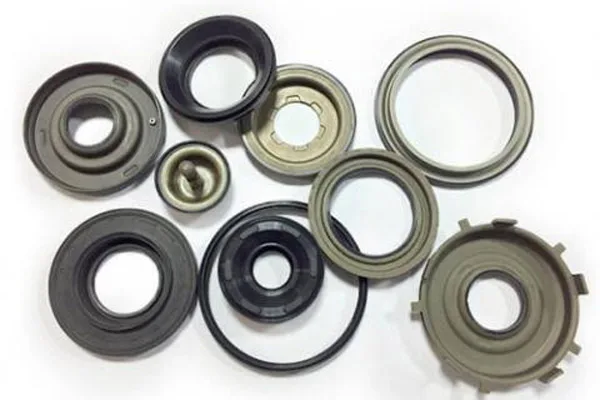
Engine and Transmission Seals: LSR gaskets provide reliable sealing for engine covers, oil pans, and transmission housings, preventing leaks and contamination.
Electrical and Electronic Components: They serve as insulators and protect electronic modules from moisture, dust, and vibration.
Air and Fluid Seals: Gaskets for air intake systems, coolant systems, and fuel lines benefit from LSR’s chemical resistance and flexibility.
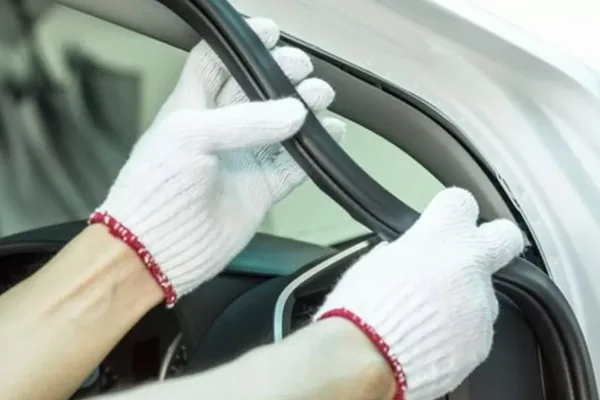
Cabin and Interior Seals: In passenger compartments, LSR gaskets contribute to noise reduction, vibration dampening, and environmental sealing.
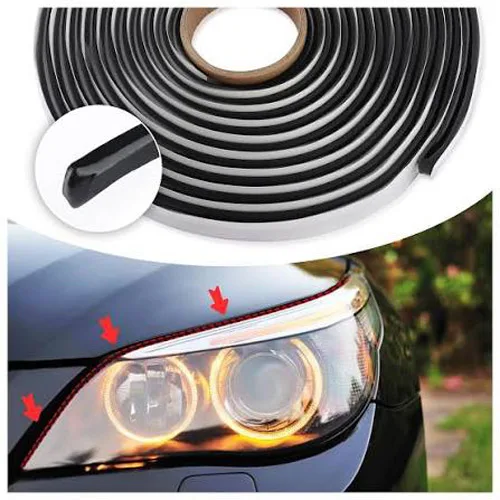
Lighting and Signal Seals: LSR’s weatherability makes it suitable for sealing headlamps, taillights, and other exterior lighting components.
 Technological Advancements in LSR Molding
Recent innovations are actively overcoming the traditional challenges of LSR molding. The development of cold-runner, hot-deck molding systems has significantly reduced material waste and cycle times by eliminating the sprue and runner from the final part, which is especially beneficial for high-volume, small-part production. In-mold sensors and advanced process monitoring systems now provide real-time feedback on injection pressure, temperature, and viscosity, enabling closed-loop control that ensures part-to-part consistency and reduces scrap rates. Additionally, automated material feeding systems with advanced metering technology handle the two-component LSR resin precisely, eliminating air entrapment and ensuring a homogeneous mix for superior final part properties.
Deep Dive into Common Challenges and Mitigation Strategies
Despite its many advantages, the adoption of LSR in gasket manufacturing is not without hurdles that require proactive mitigation strategies.
High Initial Tooling Costs: The precision tooling required for LSR injection molding, particularly systems with cold runners and complex geometries, represents a significant upfront investment. To mitigate this, manufacturers are increasingly adopting rapid prototyping techniques, such as 3D-printed molds for low-volume production or design validation, before committing to expensive hardened steel production tools. Additionally, modular tooling designs allow for interchangeable cavity inserts, enabling a single mold base to produce multiple gasket variants and spreading the tooling cost across different product lines.
Material Handling and Pot Life: LSR is supplied as a two-component system that begins curing once mixed. Maintaining precise temperature control and managing the material’s “pot life” is critical to prevent premature curing in the injection barrel. Mitigation strategies include the use of water-cooled injection screws and barrels to keep the material temperature low until it enters the heated mold. Metering pumps with integrated mixing heads also ensure that the material is mixed immediately prior to injection, minimizing the risk of cross-linking in the feed system.
Flash and Deflashing: While LSR molds are designed to be self-venting, the low viscosity of the material can lead to flash at parting lines and venting points. Manual deflashing is time-consuming and can be inconsistent. Modern solutions include cryogenic deflashing, where parts are tumbled with media at extremely low temperatures, making the flash brittle and easily removed, or the use of automated laser cutting systems that provide high-precision flash removal without damaging the part.
Post-Mold Shrinkage and Dimensional Stability: LSR exhibits post-cure shrinkage that can vary depending on the specific formulation, mold temperature, and part geometry. This can lead to dimensional variations that affect sealing performance. The most effective mitigation is the use of robust process control, combined with a post-cure baking step to fully stabilize the material’s properties. FEA simulation that accurately models shrinkage is also used during the design phase to pre-compensate mold dimensions.
 Looking Ahead: Trends and Long-Term Industry Perspectives
The future trajectory of liquid silicone rubber (LSR) in automotive gaskets is being influenced by overarching developments in electrification, sustainability, and digital manufacturing technologies. As electric vehicles (EVs) gain prominence, the importance of effective thermal management for battery packs and power electronics becomes critical. LSR’s high thermal stability and flame-retardant variants will be essential for ensuring reliable sealing solutions in cooling systems and electronic enclosures. Additionally, the industry is exploring innovative self-healing silicone materials that can autonomously mend minor damages, thereby enhancing gasket durability and lifespan.
Additive manufacturing is also emerging as a transformative approach for LSR components, enabling the production of customized gaskets via 3D printing with tailored, functionally graded properties—such as a rigid core for structural integrity paired with a softer sealing surface for better contact and sealing performance. Moreover, the integration of Industry 4.0 principles, including the use of digital twins to simulate and monitor the molding process, will increasingly optimize production workflows. This digital shift promises improved quality control, reduced defects, and heightened manufacturing efficiency over the long term.
Conclusion
Liquid Silicone Rubber has established itself as a critical material in the manufacturing of automotive gaskets due to its outstanding thermal, chemical, and mechanical properties. Its ability to produce precise, durable, and reliable seals makes it indispensable in modern vehicle design. As automotive technology evolves, the role of LSR in gasket applications is expected to grow, contributing to safer, more efficient, and environmentally friendly vehicles.