
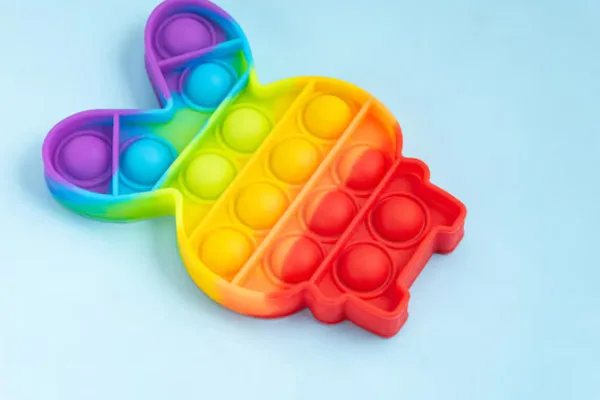
 The toy industry is one of the most dynamic and innovative sectors in manufacturing, driven by consumers’ desire for safe, durable, and visually appealing products. Over the years, advancements in materials and manufacturing technologies have significantly influenced how toys are designed and produced. One such groundbreaking technology is Liquid Silicone Rubber (LSR) molding, which has gained widespread popularity due to its exceptional properties and versatility. This article provides an in-depth look at how LSR molding is transforming toy production, highlighting its applications, benefits, and the future potential of this innovative process.
What is Liquid Silicone Rubber (LSR)?
Liquid Silicone Rubber (LSR) is a high-performance, two-part silicone material that begins as a liquid before being cured into a flexible, rubber-like solid. It offers excellent chemical stability, high-temperature resistance, and remarkable flexibility. When used in molding, LSR can accurately replicate complex designs with fine details, making it ideal for creating intricate toy components.
The Process of LSR Molding in Toy Manufacturing
The typical process of LSR molding involves several key steps:
1. Design & Mold Creation: A detailed mold, often made from aluminum or steel, is designed based on the toy’s specifications.
2. Mixing & Pouring: The two-part silicone is mixed and poured into the mold cavity, filling all intricate features and textures.
3. Curing: The mold is heated to cure the silicone, which solidifies into a flexible, durable shape.
4. Demolding: The finished toy component is carefully removed from the mold, thanks to the silicone’s non-stick properties.
5. Finishing & Assembly: Additional steps such as coloring, printing, or assembling different parts are performed to complete the toy.
Applications of LSR Molding in the Toy Industry
Realistic Animal and Character Figures
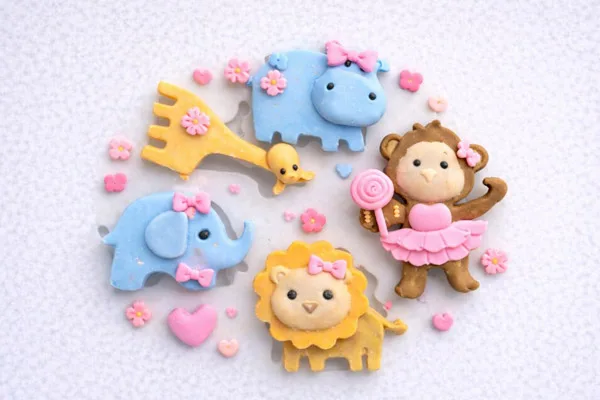
LSR molding excels at producing highly detailed and realistic figures, including animals, superheroes, and cartoon characters. The fine textures and facial expressions can be precisely replicated, making toys more engaging and lifelike. These toys often feature soft, flexible bodies that are safe for children to handle and chew.
Soft and Chewable Toys
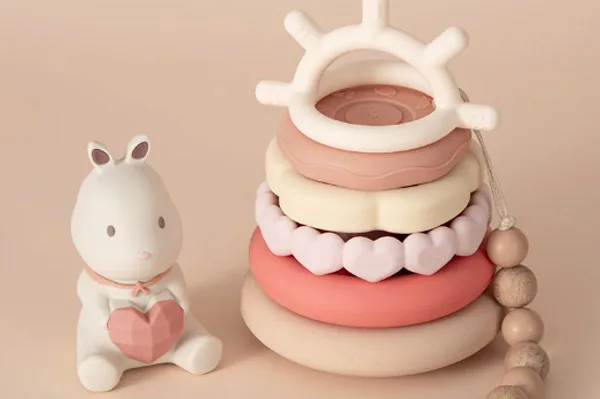
Many children’s toys are designed to be soft, flexible, and chewable, especially teething toys for infants. LSR’s natural softness and flexibility make it an ideal material for these products. It provides a safe, non-toxic surface that soothes sore gums and withstands biting and chewing without tearing or breaking.
Educational & Sensory Toys
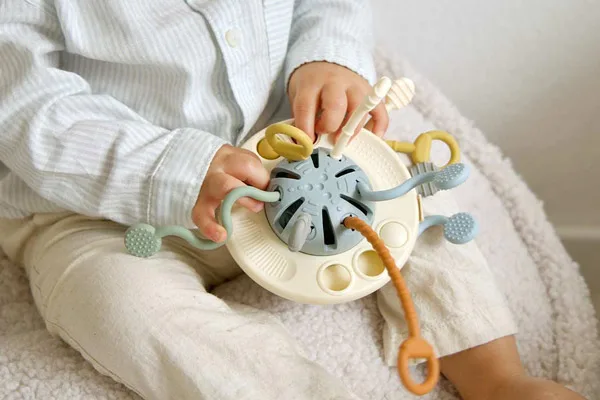
Toys that stimulate senses or teach concepts often require detailed textures and vibrant colors. LSR allows for multi-color casting and incorporation of textures that enhance tactile and visual learning. Sensory toys with varied textures, shapes, and flexible components are made more appealing and durable using LSR.
Plush-Like Soft Toys
While traditional plush toys use fabric and stuffing, some modern designs incorporate silicone components for added durability and safety. Soft, silicone-based plush toys resist tearing, are easy to clean, and provide a different tactile experience that appeals to children.
Novelty and Collectible Items
Limited-edition and collectible toys benefit from the precision and high-quality finish that LSR molds provide. Manufacturers can produce detailed, vibrant, and durable collectibles that appeal to hobbyists and collectors.
The Benefits of Using LSR Molding in Toy Production
Safety & Non-Toxicity
LSR is inherently safe for children, being free from harmful chemicals. It complies with all relevant safety standards, making it suitable for toys that are mouthed and chewed.
High Fidelity & Detail
The ability to capture intricate textures and fine details makes LSR ideal for realistic and visually appealing toys. It allows for precise replication of complex designs, including facial expressions, animal fur, or patterned surfaces.
Durability & Flexibility
Toys made with LSR are soft, flexible, and resistant to tearing or damage from rough handling. This durability ensures a longer lifespan, providing better value and reducing waste.
Ease of Demolding & Production Efficiency
Thanks to its non-stick properties, LSR molds allow for easy demolding without damaging delicate features. This improves manufacturing efficiency and reduces production costs.
Versatility & Customization
LSR can be colored during the molding process, enabling vibrant, multi-colored toys. It also supports complex shapes and multi-part assembly, allowing manufacturers to innovate with new designs.
Eco-Friendly & Sustainable
Since LSR is long-lasting and reusable, it reduces waste in the production process. It is also environmentally friendly, aligning with the growing demand for sustainable toy manufacturing.
Future Trends & Innovations
As technology advances, the scope of LSR molding in toys continues to expand. Innovations such as incorporating LED lights, sound modules, or other interactive features within silicone toys are already emerging. Additionally, the development of eco-friendly silicone formulations further enhances the sustainability aspect.
The integration of 3D printing with LSR molding is also opening new possibilities for rapid prototyping and customized, on-demand toy production. This synergy allows designers to create complex, personalized toys efficiently and cost-effectively.
Conclusion
Liquid Silicone Rubber molding is transforming the toy industry by enabling the creation of safer, more detailed, durable, and innovative toys. Its ability to replicate intricate designs with high fidelity, combined with its safety and flexibility, makes it an ideal choice for a wide range of toy applications—from realistic figures and soft chewables to sensory and educational toys.
As consumer preferences shift towards safer and more environmentally responsible products, LSR’s eco-friendly and reusable nature positions it as a sustainable solution for future toy manufacturing. Whether for mass production or limited editions, LSR molding offers manufacturers the flexibility and quality needed to stay competitive in a fast-evolving market.