
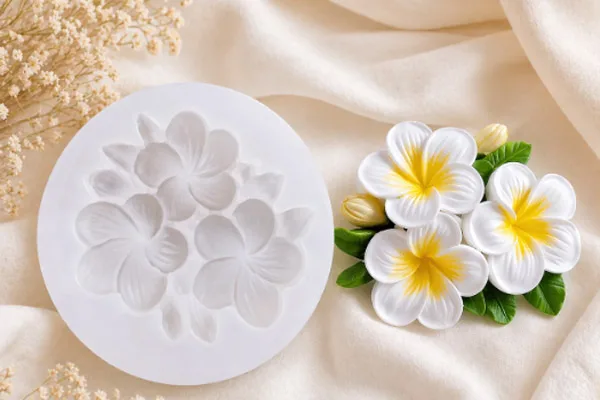
Silicone mold flowers are versatile tools extensively used in crafts, artistic creation, industrial manufacturing, and model making. Known for their excellent high-temperature resistance, chemical stability, flexibility, and ability to capture intricate details, silicone molds enable the mass production of realistic and detailed objects. This guide provides an in-depth overview of silicone mold flowers, covering their materials, manufacturing processes, advantages, applications, and essential precautions.
What Are Silicone Mold Flowers?
Silicone mold flowers refer to molds made from silicone material, designed to replicate various shapes, patterns, and floral designs. These molds can produce decorative flowers, detailed textures, jewelry, miniature models, or other complex objects requiring high fidelity. They are essential tools for artists, hobbyists, and manufacturers seeking precise and repeatable reproductions.
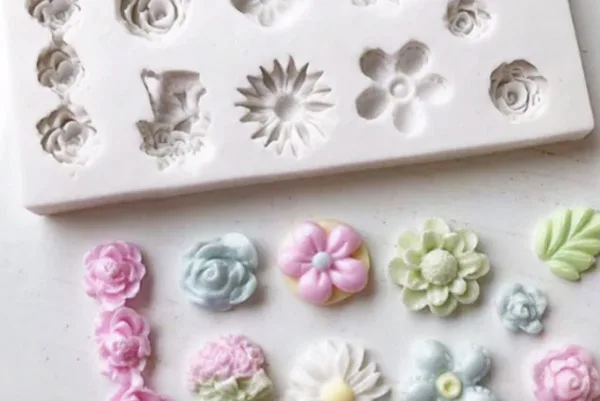 Characteristics of Silicone Material
Silicone rubber is favored for mold making due to its remarkable properties:
High Temperature Resistance: Typically withstands from -50°C to 250°C, suitable for heat-curing and heat-forming applications.
Flexibility and Elasticity: Allows easy demolding without tearing or damaging delicate details.
Chemical Stability: Resists most chemicals, oils, acids, and bases.
Aging Resistance: UV, ozone, and weather resistant, maintaining flexibility over time.
Excellent Detail Reproduction: Capable of capturing fine textures and intricate patterns.
Safety: Many formulations are food-grade or medical-grade, non-toxic, and odorless.
Manufacturing Process of Silicone Mold Flowers
Step 1: Preparing the Original Model
Select or craft the prototype, which can be handmade, 3D printed, or sculpted.
Ensure the surface is smooth and free of impurities; perform sanding or priming if necessary.
Step 2: Creating the Mold Base
Fix the model within a mold box or container, ensuring stability.
Add split lines if multi-part molds are required for complex shapes.
Step 3: Pouring Silicone
Mix silicone rubber components thoroughly following the manufacturer’s instructions.
Degas the mixture with vibration or vacuum to remove air bubbles.
Slowly pour silicone into the mold box, covering the model evenly.
Allow curing at room temperature or as specified, usually from several hours up to overnight.
Step 4: Demolding
Carefully remove the hardened silicone mold from the mold box.
Extract the original model from the mold.
Trim or clean the mold as needed.
Step 5: Replication
Use the silicone mold to cast materials such as resin, wax, clay, or plaster.
Once cured, demold the finished object.
Advantages of Silicone Mold Flowers
High Fidelity: Accurately captures fine details and textures.
Durability & Reusability: Can be used hundreds to thousands of times.
Ease of Use: Simple to produce, suitable for both hobbyists and professionals.
Versatility: Suitable for crafts, jewelry, miniatures, food decoration, medical models, and industrial parts.
Cost-Effectiveness: Low-cost materials and simple processes make it economical.
Using Silicone Molds for Casting — Replicating Floral Shapes in Various Materials
Once you have made a silicone mold, the greatest joy lies in pouring different materials into it to create a wide variety of flower-shaped pieces.
Resin Casting
Resin materials are currently the most commonly used. Mix crystal clear epoxy resin (Part A and Part B) according to the ratio, stir until transparent, then pour half of it into the silicone mold. Place properly dried flowers into the mold, then pour the remaining resin to fill it. Note that fresh flowers cannot be used directly, as their moisture content will cause discoloration and decay. Single-petal flowers yield the best results; multi-petal flowers with dense layers tend to appear blurry. After curing, the finished pieces can be used to make pendants, earrings, coasters, paperweights, bookmarks, hairpins, and other accessories.
Plaster / Cement Casting
This method is suitable for home décor, especially flower containers. First, design the flower container shape using 3D modeling software, 3D printed a master model, then use silicone to make a mold. Next, pour plaster or cement into the silicone mold. After demolding, trim and finish the edges. Silicone molds can be reused 50–100 times, making them ideal for small-batch production. The cost per finished flower container varies depending on the material and size.
Food-Grade Casting
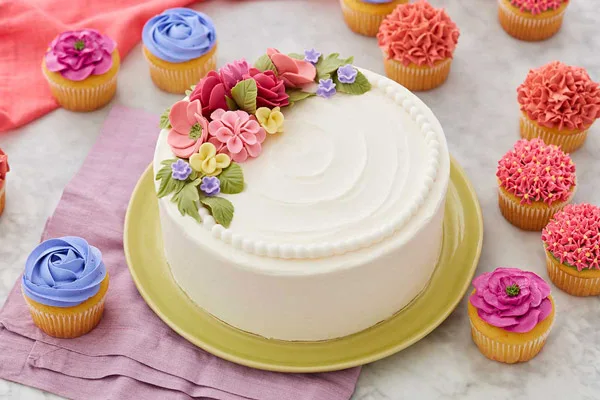
If you are making edible items such as chocolates, fondant cake flowers, or candies, the silicone mold must be food-grade platinum silicone, free of BPA, with a temperature resistance range typically from -40°C to 230°C. For example, a baker in Hangzhou used a sugar art peony mold to knead, press, shape, and assemble fondant, completing an entire peony-themed wedding cake within three days. Upon demolding, the petal edges showed a slight curl, the veins were clear, and even the finest serrated leaf margins were distinctly visible.
 Soap / Candle Casting
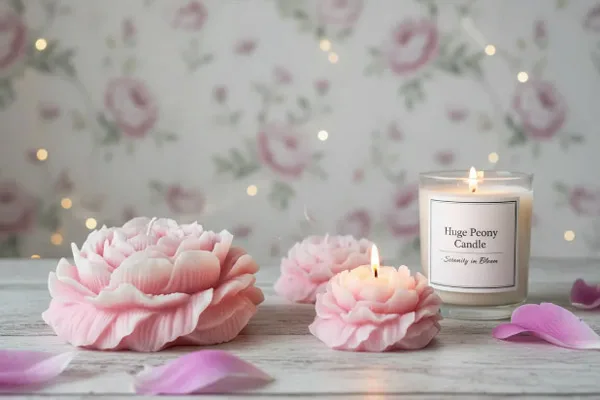
Another popular use is making handmade soaps and artistic candles with silicone molds. Commercially available 3D rose silicone molds can be used to produce gummies, candles, candies, and more. The three-dimensional appearance is more vivid and realistic, and the exquisite flower shape makes them an excellent choice for party decorations. High-quality platinum-cured silicone molds offer outstanding flexibility, excellent tear resistance, and perfect bubble-free demolding, capturing ultra-realistic rose details.
Where Can Silicone Mold Flowers Be Used?
DIY Accessories:
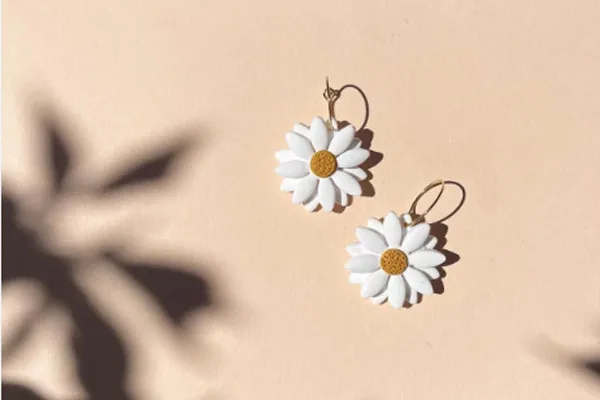
Making resin flower earrings, pendants, hairpins, keychains, etc. — this is the most concentrated area for craft enthusiasts.
Home Decor:
Plaster flower containers, cement vases, resin floral decorative trays, etc. Placed in an entryway or living room, they significantly enhance the sense of taste.
Wedding Supplies:
Fondant cake flowers, handmade soap wedding favors, flower-shaped candles made with silicone flower molds are very eye-catching at weddings. Some handmade floral invitations can even be reused dozens of times.
Teaching Tools:
Can be used for craft classes in community activities or schools, enabling personalized creation while lowering the barrier to batch production.
Personalized Customization:
Design unique molds according to specific needs to create personalized decorations or gifts.
 Precautions & Maintenance Tips
Select Appropriate Silicone: Use food-grade or medical-grade silicone for edible or medical applications.
Degas Thoroughly: Prevent air bubbles during pouring for better detail.
Proper Storage: Keep molds in a cool, dry place away from direct sunlight.
Cleaning & Care: Clean molds gently with mild soap; avoid abrasive cleaners.
Repair & Longevity: Fix small cracks with silicone adhesive; apply release agents to extend lifespan.
Conclusion
Silicone mold flowers are invaluable tools in various creative and industrial fields due to their excellent detail reproduction, durability, and ease of use. Proper mastering of production techniques and maintenance ensures long-lasting molds and high-quality replicas, unlocking a world of creative possibilities.