
In recent years, silicone has rapidly become a staple in modern kitchens around the world. From baking molds to utensils, storage lids, and even oven mitts, silicone’s versatile properties are transforming the way we cook, bake, and store food. But what exactly makes silicone such a revolutionary material in culinary applications? This article explores the reasons behind the explosion in silicone’s popularity, focusing on its safety, durability, and ability to deliver baking perfection.
The Rise of Silicone in the Kitchen
Traditional kitchen materials such as metal, glass, and plastic have served us well for centuries. However, each comes with its own set of limitations—metal can be heavy and prone to rust, glass can shatter, and plastics may degrade over time or leach chemicals. Silicone, with its unique set of properties, addresses many of these issues, offering a safer, longer-lasting, and more flexible alternative.
Unparalleled Safety and Food-Grade Certification
One of the most compelling reasons for silicone’s popularity is its exceptional safety profile. Modern silicone products designed for culinary use are manufactured from food-grade silicone that complies with international safety standards such as FDA and LFGB.
Why is silicone safe?
It is non-toxic, non-reactive, and inert, meaning it does not leach chemicals into food, even when exposed to high temperatures.
Silicone does not contain BPA, BPS, phthalates, or other harmful chemicals commonly found in some plastics.
It is odorless, tasteless, and hypoallergenic, making it suitable for all kinds of food preparations, including baking, freezing, and microwave cooking.
Durability and Longevity
Unlike traditional materials that may degrade, crack, or corrode over time, silicone boasts remarkable durability:
Heat Resistance: Silicone can withstand extreme temperatures from approximately -50°C to 250°C (-58°F to 482°F). This means you can freeze food in silicone molds and bake or microwave directly in them without damage.
Tear and Crack Resistance: Its flexible nature enables it to bend, twist, or stretch without breaking.
Long Lifespan: With proper care, silicone kitchen tools and molds can last for hundreds, sometimes thousands, of uses. Unlike plastic that may warp or degrade, or metal that can rust, silicone maintains its shape and integrity over time.
Chemical Resistance: Silicone does not react with food acids or oils, preventing stains, smells, or deterioration.
 Baking and Cooking Made Perfect
Silicone’s unique physical properties fundamentally enhance baking and cooking outcomes:
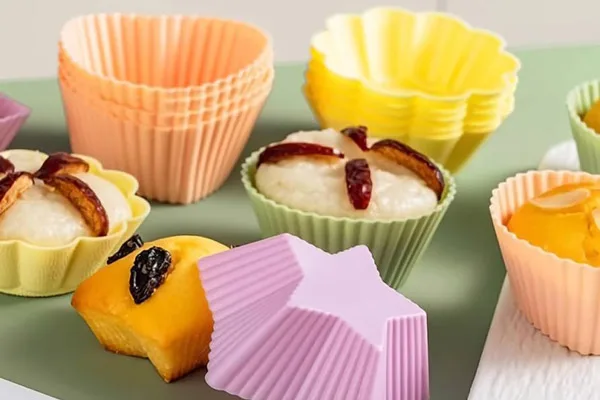
Non-Stick Surface: Silicone molds and baking mats feature a naturally non-stick surface, allowing baked goods, chocolates, or candies to release effortlessly, preserving intricate shapes and fine details.
Even Heat Distribution: Silicone heats uniformly, reducing the risk of hot spots that can cause uneven baking.
Flexible & Easy to Demold: Baked items slide out easily, maintaining their perfect shape. This is especially advantageous for delicate or detailed designs like flowers, animals, or ornate decorations.
Versatility in Design: Silicone molds come in a vast array of shapes and sizes—from simple round cakes to elaborate themed shapes—enabling bakers to unleash their creativity.
Ease of Use and Maintenance
Silicone kitchen tools and molds are designed with user-friendliness in mind:
Reversible & Flexible: The pliability allows for easy storage—simply roll or fold silicone items to save space.
Dishwasher Safe: Most silicone products can be cleaned in the dishwasher or washed with warm soapy water, making cleanup quick and effortless.
No Special Care Needed: Unlike cast iron or glass, silicone does not require seasoning, polishing, or special storage conditions.
Eco-Friendly and Sustainable
As consumers become more environmentally conscious, silicone’s eco-friendly qualities are increasingly valued:
Reusable: Silicone kitchenware withstands repeated use, significantly reducing waste compared to disposable plastics or paper products.
Recyclable: High-quality silicone can often be recycled at specialized facilities, contributing to sustainable practices.
Non-Toxic & Chemical-Free: The inert nature means it does not release harmful chemicals into the environment or food.
 Common Uses of Silicone in Kitchen Tools
Baking Molds & Liners
Silicone molds for cakes, muffins, and chocolates.
Baking mats and sheets for cookies and pastries.
Utensils
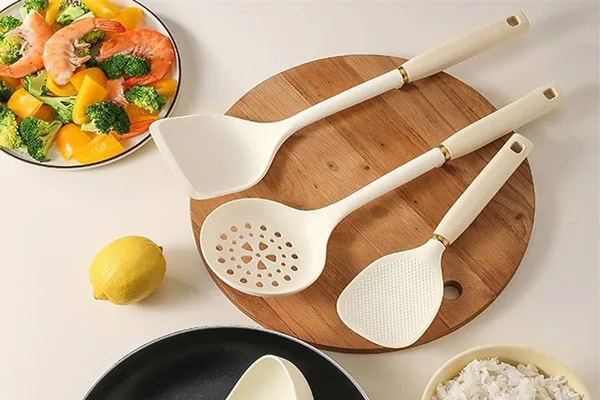
Spatulas, spoons, tongs, and brushes.
Heat-resistant and non-stick, safe for non-stick cookware.
Lids & Covers
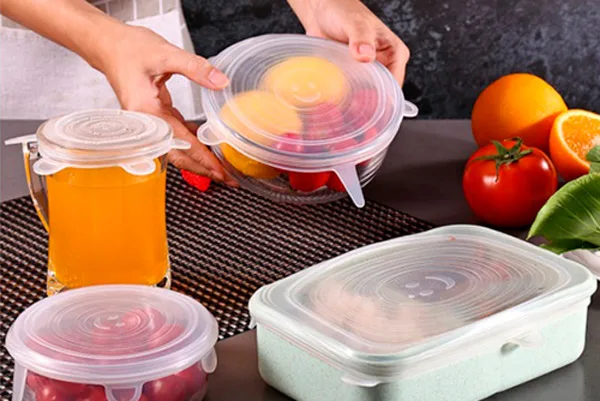
Reusable silicone lids for bowls and containers.
Food covers that are airtight and flexible.
Storage & Freezer Items
Silicone food storage bags.
Reusable freezer trays and molds.
Silicone Gloves & Mitts
Heat-resistant gloves for handling hot items.
Cooking Accessories
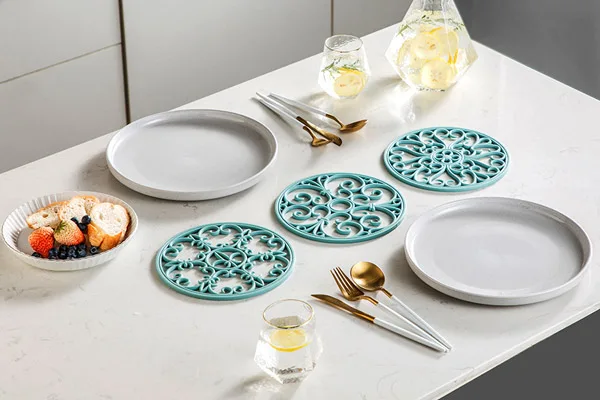
Silicone pot holders and trivets.
Basting brushes and piping bags.
Cleaning Tools
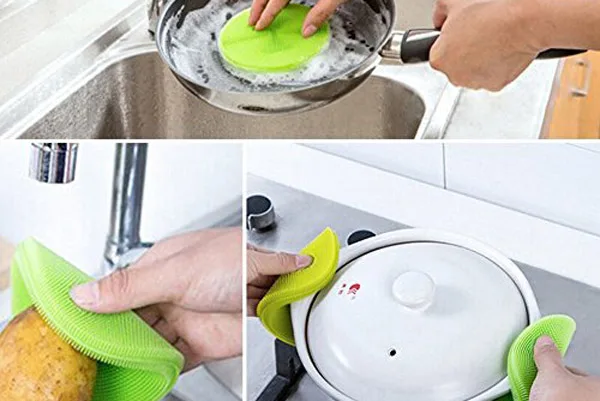
Silicone scrubbers and dishwashing brushes.
Other Uses
Egg poachers, steamers, and sous-vide bags.
Non-slip mats and shelf liners.
 Creative Uses for Silicone Beyond Baking
While baking is where silicone shines, its versatility extends into many other kitchen tasks:
Steaming vegetables and dumplings – Collapsible silicone steamers fit any pot and fold flat for storage.
Making homemade nut milks or cold brew coffee – Silicone straining bags are reusable and easy to clean.
Fermenting foods – Silicone pickle pipes and lids allow gases to escape without introducing contaminants.
Freezing portioned foods – Silicone ice cube trays with large compartments can freeze herbs in oil, baby food, or leftover sauces.
Microwave cooking without splatter – Silicone microwave lids with steam vents prevent messy explosions.
Rolling out sticky dough – Silicone pastry mats with measurement guides make dough handling effortless.
Addressing Common Concerns: Is Silicone Really Safe at High Temperatures?
Some cooks worry about silicone’s safety when used at 400–450°F (204–232°C). Here are the facts backed by scientific consensus:
European Food Safety Authority (EFSA) and U.S. FDA have both classified food-grade silicone as safe for repeated use at temperatures up to the manufacturer’s stated limits (typically 428–482°F).
No evidence of endocrine disruption – Unlike some plastics, silicone does not release estrogen-mimicking compounds, even after multiple heating cycles.
The “oil residue” myth – Some users notice a white, greasy film on new silicone. This is often a mold-release agent used during manufacturing, not a harmful chemical. A thorough wash with hot soapy water removes it.
Avoid over-heating – Never use silicone under a broiler’s direct flame or on a stovetop burner. At temperatures exceeding 500°F (260°C), silicone can degrade and potentially release volatile compounds. Stay within the recommended range.
 Prolonging the Life of Your Silicone Kitchenware
To get the maximum lifespan from your silicone tools (often 5–10 years or more), follow these care tips:
After washing, allow to air dry completely before storing to prevent moisture trapped in folds.
Store flat or rolled – Avoid sharp creases for long periods. Rolling is better than folding.
Remove sticky residues naturally – If silicone feels tacky after dishwashing, wipe with a cloth dipped in white vinegar or lemon juice, then rinse.
Brighten stained silicone – Soak overnight in a solution of water and baking soda (1 tablespoon per cup), or place in direct sunlight for a few hours. UV light naturally fades most food stains.
Avoid using abrasive cleaners or scouring pads – They can create microscopic scratches where bacteria might lodge, though silicone is naturally antimicrobial.
The Future of Silicone in Kitchens
The ongoing innovation in silicone technology suggests even broader applications:
Smart Silicone Products: Integration with temperature sensors or other smart features.
Biodegradable Silicone: Development of eco-friendly, biodegradable formulations to further reduce environmental impact.
Customizable Designs: Advances in manufacturing allow for more personalized shapes, textures, and multi-material combinations.
 Conclusion
Silicone has revolutionized the modern kitchen, offering a safe, durable, and versatile alternative to traditional materials. Its ability to withstand extreme temperatures, facilitate flawless baking, and simplify cleaning routines makes it an indispensable tool for home cooks and professional chefs alike. As innovation continues, silicone’s role in creating more efficient, eco-friendly, and creative kitchen solutions is poised to grow even further.
Embrace the silicone revolution and elevate your culinary experience—your kitchen, baked goods, and the environment will thank you!